IPTV vs Cable vs Satellite: Which Is Worth It in 2026?
The way we consume television has fundamentally changed. Three technologies now compete for your monthly entertainment budget: traditional cable, satellite TV, and Internet Protocol Television (IPTV). Each has strengths and weaknesses, but in 2026, one option delivers dramatically more value than the other two. This IPTV vs cable vs satellite comparison breaks down every factor that matters so you can make an informed decision.
Understanding the Three Technologies
Before diving into the comparison, here is a quick overview of how each technology works. Cable TV delivers content through coaxial or fiber-optic cables installed in your home. It requires a set-top box, a physical installation appointment, and a long-term contract. Satellite TV beams signals from orbiting satellites to a dish mounted on your home. It also requires professional installation and is weather-dependent. IPTV streams content over your existing internet connection. No dish, no cable box, no installation needed — just a compatible device and a decent internet connection.
Cost Comparison: Where Your Money Goes
This is where the gap is most dramatic. The average cable bill in the US is 114 dollars per month according to industry reports, and that is before premium add-ons like sports packages or movie channels. Many households pay 150 to 200 dollars monthly. Add equipment rental fees (10 to 15 dollars per box per room) and the total climbs even higher.
Satellite TV from providers like DirecTV or Dish Network runs 65 to 150 dollars per month, plus equipment fees. Promotional rates expire after 12 months, and the real cost often surprises new subscribers.
Premium IPTV services like Golden IPTV Pro start at approximately 12.99 dollars per month for a single device. Even multi-device plans for the entire household cost dramatically less than a single cable subscription. There are no equipment rental fees, no installation costs, no contracts, and no hidden charges.
Channel Count and Content Variety
A typical cable package includes 200 to 300 channels, though most households watch fewer than 20. Satellite TV offers slightly more, with packages reaching 300 to 350 channels. Both force you into bundled tiers where you pay for hundreds of channels you never touch just to access the handful you want.
Golden IPTV Pro offers over 29,500 live channels from every major country and region, plus a VOD library of 200,400+ movies and series. The content is not bundled into tiers — you get access to everything with every plan. International channels that cable and satellite charge premium add-on fees for are included by default.
Picture Quality in 2026
Most cable providers still deliver content at 720p or compressed 1080i. Satellite typically offers 1080p on premium channels and 720p on standard ones. Neither has widely deployed 4K streaming because their infrastructure was not designed for it.
IPTV, being internet-based, leverages the latest streaming codecs. Golden IPTV Pro delivers 4K Ultra HD and FHD 1080p streams using HEVC/H.265 encoding. The visual difference on a modern television is immediately noticeable — sharper detail, richer colors, and smoother motion during fast-paced sports.
Flexibility and Portability
Cable requires a physical box in each room. Want to watch in the bedroom? That is another box and another monthly rental fee. Satellite requires a clear line of sight to the southern sky and cannot be used indoors or while traveling.
IPTV works on any internet-connected device, anywhere. Watch on your living room TV, switch to your phone while cooking, and pick up on your tablet in bed. Traveling for work? Your entire channel lineup follows you to any hotel room in the world.
Contracts and Cancellation
Cable and satellite providers typically require 12 to 24 month contracts with early termination fees ranging from 100 to 400 dollars. IPTV services like Golden IPTV Pro operate on flexible quarterly, semi-annual, or annual plans with no contracts and no cancellation penalties.
Frequently Asked Questions
Is IPTV better than cable in 2026? For the vast majority of users, yes. IPTV offers more channels, better picture quality, greater flexibility, and dramatically lower costs compared to traditional cable television.
What internet speed do I need for IPTV? For HD streaming, 10 Mbps is sufficient. For 4K Ultra HD content, we recommend at least 25 Mbps. Most modern home internet plans comfortably exceed these requirements.
Can satellite TV compete with IPTV? Satellite TV still has advantages in extremely rural areas with poor internet infrastructure. However, for anyone with a stable broadband connection, IPTV offers superior value in every measurable category.
The Clear Winner in 2026
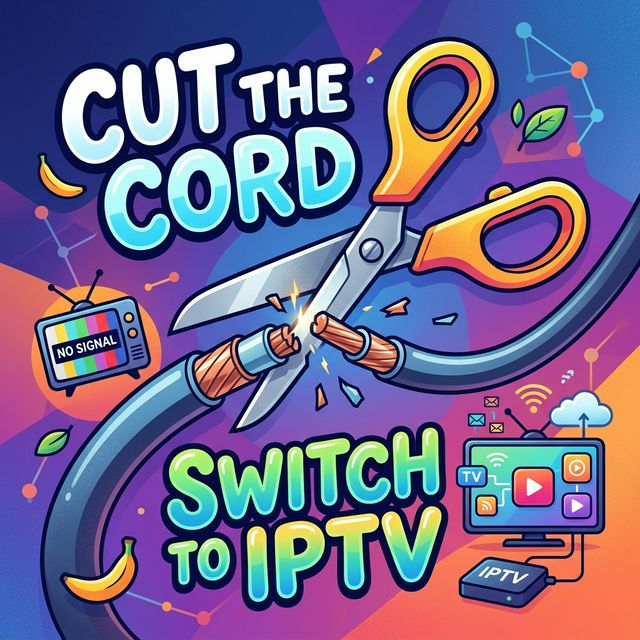
The numbers do not lie. IPTV delivers more content, better quality, and greater flexibility at a fraction of the cost of cable or satellite. If you are still paying a cable bill in 2026, you are overpaying for an inferior experience. Golden IPTV Pro makes cutting the cord painless — choose a plan and see the difference for yourself.
Ready to experience reliable streaming?
Explore our subscription plans with enterprise-grade infrastructure and 24/7 technical support.
View Subscription Plans